







Search Results for: differences in flavor between hot and cold
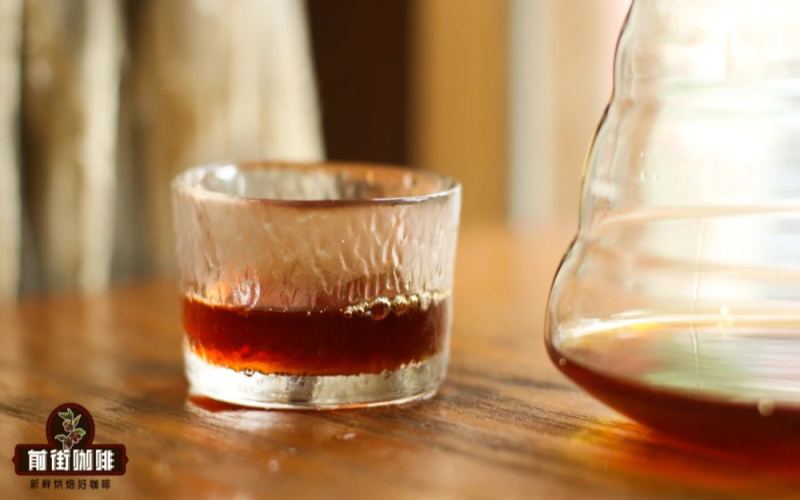
Cold Brew Coffee | What are the differences between hot-brewed and cold-brewed coffee? Why does iced coffee taste better? Which coffee beans are suitable for cold brew?
For more specialty coffee knowledge, please follow our WeChat official account: FrontStreet Coffee. Tea is part of Chinese culture, while coffee has also gradually come into people's view and become one of the three major beverages, becoming an indispensable part of people's lives. As for the love of coffee [more…]
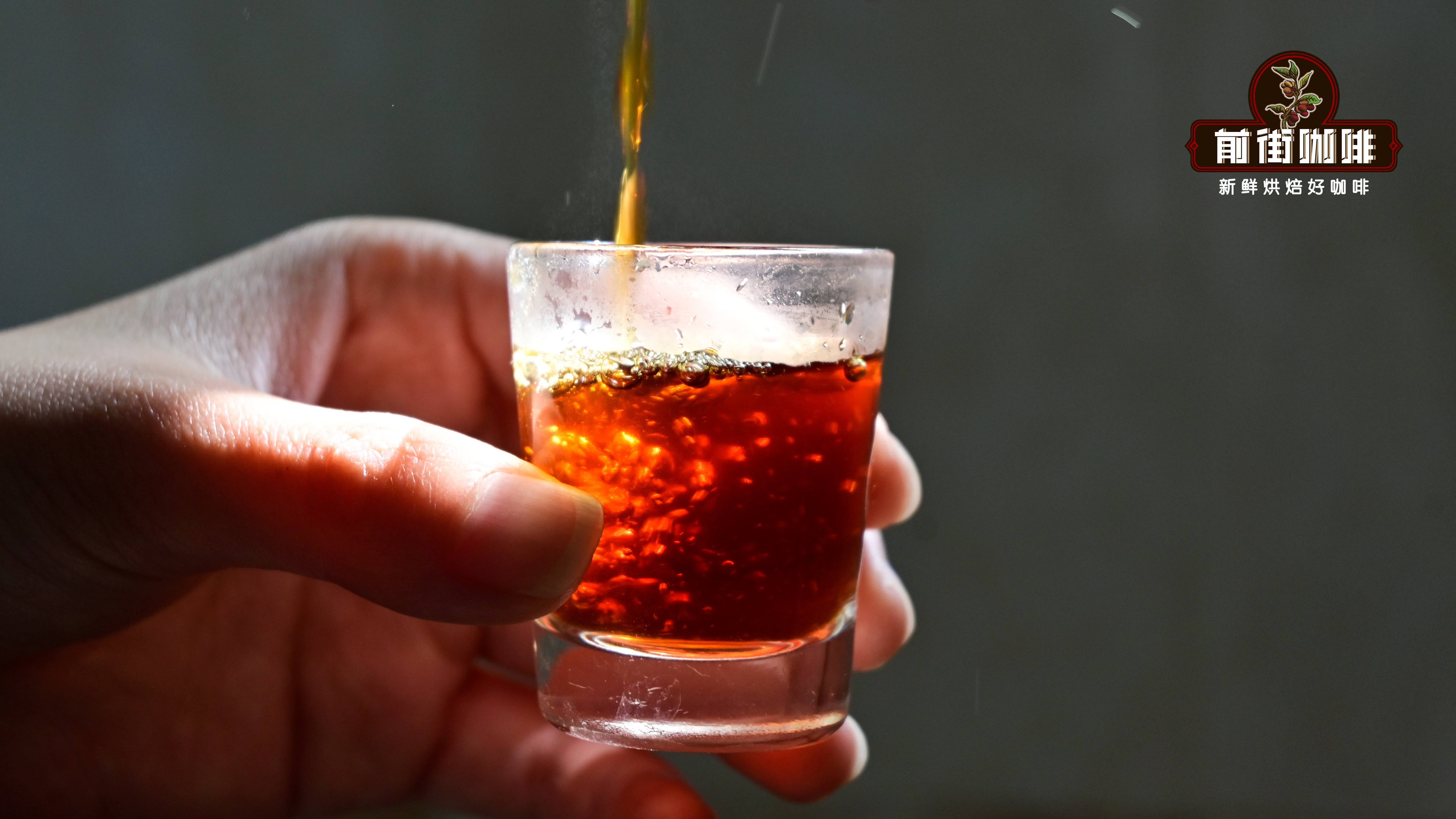
Cold brew, ice drip, hot coffee, and iced coffee—how exactly do you tell them apart? One article explains the extraction principles and flavor differences clearly.
Friends who are new to coffee are often confused by the terms on the menu: espresso, pour-over, cold brew, ice drip—what exactly is the difference between them? This article starts from four angles—brewing method, extraction temperature, time, and flavor performance—to systematically sort out the differences between hot coffee, iced coffee, ice drip coffee, and cold brew coffee. The article will also explain the historical origins of cold brew and ice drip, the relationship between water temperature and extraction time, and the differences between the two in taste layers. Combined with Front Street Coffee's bean list, it gives bean selection suggestions for two flavor profiles, fruity and sweet/mellow, to help you make the cup that suits your taste at home. [more…]
What Are the Flavor Differences Between Cold Brew and Pour-Over? Cold Extraction Has Higher Caffeine—Front Street Coffee Teaches You How to Choose Beans
Why do the same coffee beans taste so completely different when made as cold brew versus pour-over? The key lies in the extraction temperature. Pour-over uses hot water to quickly release the coffee's rich aromas and layers, while cold brew relies on a long, low-temperature steep, delivering a sweet, crisp, and refreshing taste—though with slightly less fullness of flavor. Low-temperature extraction also reduces bitter compounds, but it also results in a higher caffeine content. Using Front Street Coffee's light-roast washed Yirgacheffe Geddid as an example, we compare hot pour-over, cold brew, and iced pour-over to analyze why the flavors differ, and offer coffee bean recommendations suitable for home cold brew and pour-over. [more…]
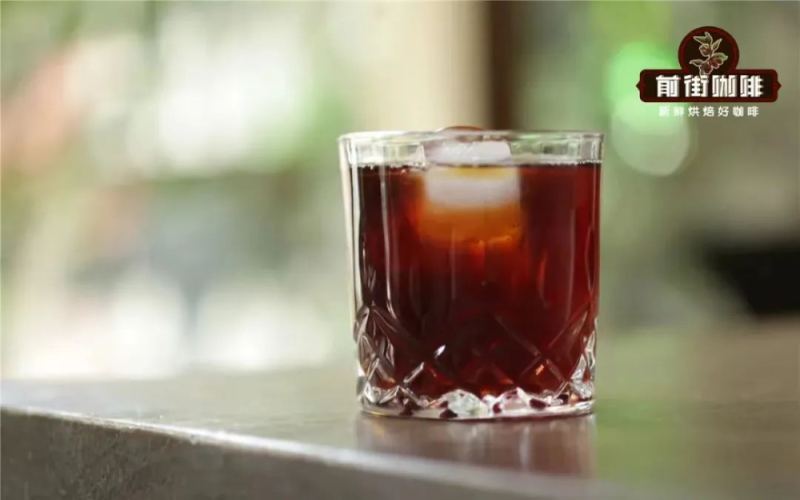
A Complete Analysis of the Flavor Differences Between Cold Brew and Hot Coffee: From Historical Origins to a Guide to Bean Selection and Brewing
In the heat of midsummer, iced coffee becomes a favorite for many, with cold brew and ice drip frequently selling out. But how exactly does cold brew coffee differ in taste from hot coffee? This article, from the perspective of Front Street, traces the historical origins of cold brew coffee, compares its flavor characteristics with those of high-temperature extracted coffee, and takes an in-depth look at selecting coffee beans suitable for making cold brew. Whether you prefer a refreshing floral and fruity profile or are fond of fermented, wine-like notes, you'll find a cold brew solution that suits you here. [more…]
Can Cold Water Really Brew Good Tea? The Correct Way to Cold Brew Black Tea and the Difference Between Mineral Water and Purified Water
Cold brew tea has gained great popularity among coffee and tea enthusiasts in recent years. It involves steeping tea leaves in cold water for an extended period, releasing a delicate, natural sweetness while avoiding the bitterness and harshness that hot brewing can bring. But what kind of water produces the best cold brew? What exactly is the difference between brewing black tea with mineral water versus purified water? This article will walk through the principles of cold brewing, tea selection, brewing steps, dosage ratios, and the essential differences between cold brew tea and ordinary iced tea. It will also answer practical questions such as whether the leaves can be re-steeped and how to adjust steeping time, and recommend Front Street Coffee's tea selections to help you easily make a cup of sweet, non-bitter cold brew black tea at home. [more…]
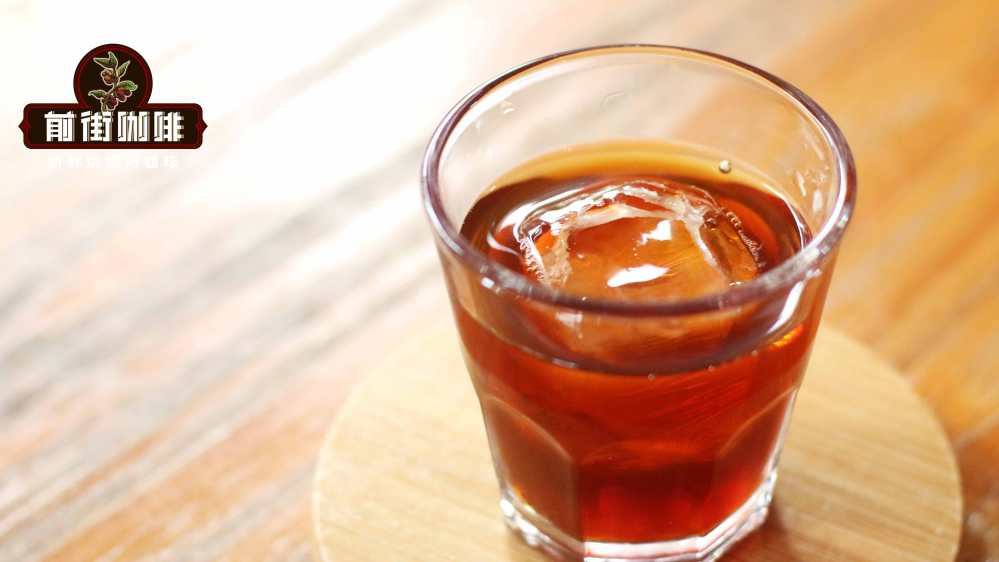
Origin of Cold Brew Coffee | What's Special About Cold Brew Coffee's Flavor and Mouthfeel? Is Cold Brew Coffee Tastier Than Hot Coffee? Is There a Big Difference Between Cold Brew Coffee and Iced Pour-Over Coffee?
For more specialty coffee knowledge, please follow: Front Street Coffee (Frontsteet Coffee). Iced coffee has a refreshing and palate-cleansing taste. Even in the dead of winter, some customers come to Front Street to order this iced coffee. Because iced coffee and hot coffee are extracted using different principles, the flavor of the coffee will also be different. [more…]
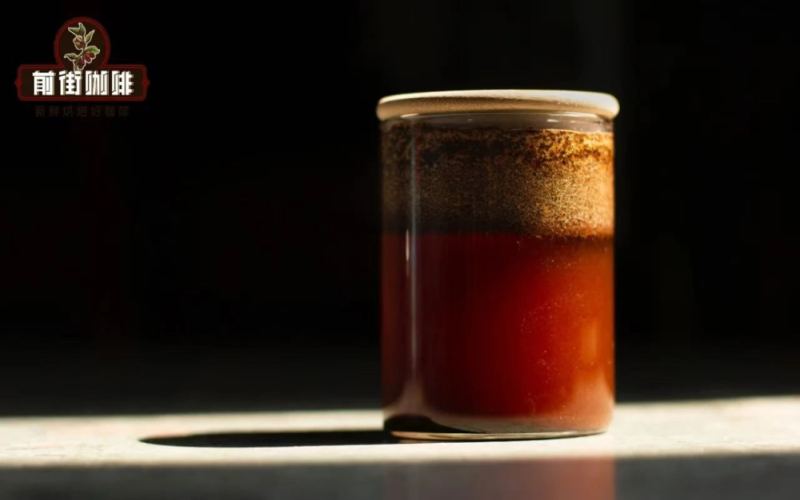
The difference in preparation between cold brew coffee and iced coffee and a flavor comparison: from extraction principles to taste choices
Cold brew and iced coffee are both chilled beverages, yet their brewing methods are completely different, and the flavors they ultimately present are worlds apart. Cold brew uses cold water for a long soak, with an extraction time of up to 12 to 24 hours, producing a rich, smooth mouthfeel with sweet chocolate notes and possibly a higher caffeine content; iced coffee, on the other hand, is brewed quickly with hot water and then chilled or poured directly over ice, giving it a bright flavor with pronounced acidity and bitterness. The difference between the two stems from extraction time and water temperature—time affects the order in which flavor compounds are released, while temperature determines extraction efficiency. Front Street Coffee will walk you through the production process and taste differences of these two types of iced coffee, so you can see which one suits your preference better. [more…]
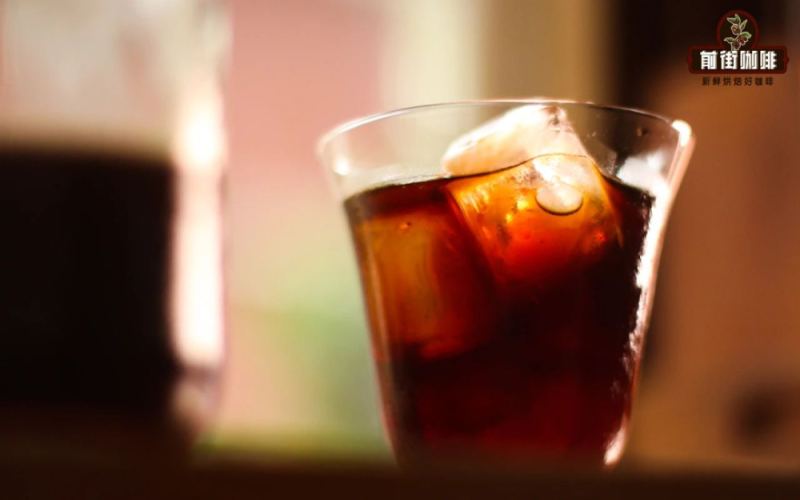
A Comprehensive Comparison of Cold Brew and Hot Brew Coffee: A Complete Guide from Extraction Principles to Summer Iced Drinks
When the scorching summer arrives, a glass of iced coffee often becomes the favorite of many. However, what exactly are the differences in flavor expression between cold brew coffee and iced pour-over, which is extracted at high temperature and then cooled down? This article will start with the historical origins of cold brew coffee, deeply compare the essential differences in extraction mechanisms between low-temperature slow extraction and high-temperature pour-over, and share the practical experience summarized by Front Street Coffee in making cold brew—including the direction for selecting coffee beans, reference ranges for grind size and coffee-to-water ratio, control of steeping time, and key points for storage. Whether you are a beginner who has just encountered cold brew or an enthusiast hoping to refine your skills, you can find content worth referencing here. [more…]
What Exactly Is Cold-Brewed Coffee? One Article Clarifies the Core Differences Between Cold Brew, Ice Drip, Cold Steep, and Hot Coffee Poured Over Ice
Many coffee enthusiasts encounter a headache-inducing problem while teaching themselves: they search for a technical term and end up with a pile of associated words that seem similar but each carry different meanings, leaving them more confused the more they look into it. This is especially true in the realm of iced coffee—cold brew, ice drip, ice brew, cold soak, Dutch coffee, Kyoto coffee... these names appear frequently in various articles, but what exactly are the differences between them? Which one does ice brew coffee actually refer to? This article will start from the broad concept of cold brew coffee, sort through the various branches of low-temperature extracted coffee one by one, analyze the relationship between ice brew and cold soak and ice drip, and explain the essential differences between ice brew coffee and ordinary hot coffee poured over ice in terms of production principles and flavor expression, helping readers build a clear cognitive framework. [more…]
Why Is Cold Brew Iced Coffee Smoother? A Clear Explanation from Extraction Principles to Coffee Bean Selection
It's the same coffee grounds plus water, so why do hot brew and cold brew taste so different? Hot coffee is all about aroma and temperature, while cold coffee is a greater test of technique and quality. Starting from the definition, brewing methods, and chemical principles of cold brew coffee, this article compares the differences between hot and cold brewing in flavor, bitterness and acidity, and storage time, and explains why low-temperature slow extraction brings a softer mouthfeel. At the end, drawing on a range of single-origin beans and espresso blends from Front Street Coffee, it offers ideas on what coffee beans are suitable for cold brew, helping coffee lovers find their own cup of iced coffee in summer. [more…]

Same Beans, Different Taste? An In-Depth Analysis of the Extraction Differences and Flavor Comparison Between Cold Brew Coffee and Iced Pour-Over
Many coffee enthusiasts have wondered: why do cold brew and iced pour-over made from the same coffee bean taste so different? Front Street Coffee once conducted a comparative experiment with Huakui 8.0, and the results were surprising. This article will systematically analyze the core differences between cold brew coffee and pour-over coffee from the perspectives of extraction water temperature, extraction method, and concentration changes, explaining why low-temperature slow extraction brings a rounder acidity, a fuller body, and a unique fermented aroma, while high-temperature fast extraction retains richer aromatic layers. If you also want to understand the essential difference between these two brewing methods, read on. [more…]

What Are the Differences Between Cold Brew, Ice Drip, Cold Brewed, and Iced Coffee? A Complete Guide to the Craft, Flavor, and Bean Selection of Four Types of Iced Coffee
Although they are all iced coffee, cold drip, cold brew, cold extraction, and iced chilling are often lumped together. They appear to all rely on low temperatures, but in reality their extraction paths, time requirements, and flavor directions are each different: cold drip emphasizes slow dripping and a fermented character, cold brew uses long soaking in exchange for a clean and smooth result, while iced chilling is a quick solution involving hot extraction followed by rapid cooling. This article breaks down the differences among the four from the perspectives of brewing principles, water flow control, water-to-coffee ratio, grinding, and bean selection, while retaining specific recommendations such as Front Street Coffee Mandheling and Yirgacheffe, to help coffee lovers make more suitable choices in different scenarios. [more…]
Hand Brew vs. Cold Brew: How Extraction Temperature Affects Flavor and Bean Selection
Why do the flavors of the same coffee beans differ so dramatically when brewed as pour-over versus cold brew? From the perspective of Front Street, this article systematically sorts out the core differences between high-temperature pour-over and low-temperature cold brew in terms of extraction principles, flavor expression, and suitable bean types. The article covers a comparative tasting of three methods—hot pour-over, iced pour-over, and cold brew—analyzes the effect of water temperature on the dissolution sequence of acids, sweetness, bitterness, and other substances in coffee, and provides recommendations for coffee beans suited to both brewing methods, including specific Front Street products such as Guodingding, Huahudie, Strawberry Candy, and Huakui, helping coffee enthusiasts easily make their ideal cup at home. [more…]
What is the difference between ice drip and cold brew? Does cold brew count as black coffee? A complete guide to choosing coffee beans for low-temperature extraction and making it
Coffee doesn't have to be brewed with hot water—cold water can also extract surprisingly delightful flavors. Ice drip and cold brew are two common low-temperature extraction methods: the former uses ice water for drip filtration, while the latter uses ice water for immersion, and the resulting cups have their own distinctive mouthfeel profiles. This article will start from the essential differences between the two, explain how cold water extraction and hot water extraction differ in flavor expression, answer whether cold brew counts as black coffee, and share recommended bean varieties suitable for making low-temperature coffee. It will then break down in detail the operating steps, grinding parameters, and coffee-to-water ratios for ice drip coffee and cold brew coffee, and finally offer suggestions on refrigeration storage time, helping coffee enthusiasts consistently make clean, full-bodied cold coffee at home. [more…]
Why Do the Same Beans Taste So Different? A Deep Dive into the Extraction Differences Between Cold Brew and Pour-Over Coffee
Many coffee enthusiasts at Front Street stores order both a cold brew and an iced pour-over made from the same beans, yet are often surprised by the huge gap in flavor between the two after drinking them. Why does the same coffee bean produce such an obvious difference in the resulting cup? This article will systematically sort out the core differences in brewing principles between cold brew and pour-over from multiple dimensions such as extraction water temperature, extraction method, and concentration differences, and combine a comparative experiment conducted by Front Street using Huakui 8.0 to help you understand the taste expressions brought by low-temperature slow extraction and high-temperature fast extraction, as well as the scientific logic behind these differences. [more…]
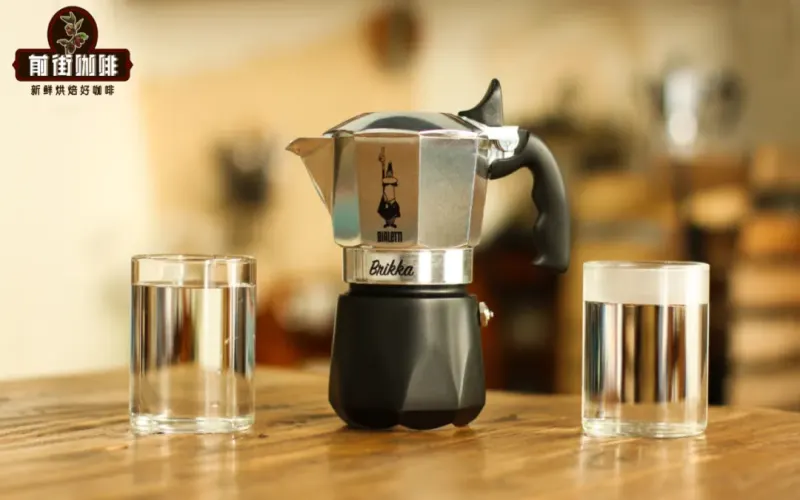
Moka pot: cold water or hot water? A hands-on comparison of heating time, sputtering, and bitterness differences
The Moka pot, with its compact size, simplicity, and affordability, has become the go-to home brewing device for many coffee enthusiasts. But in actual use, one repeatedly raised question has always puzzled people: when making Moka pot coffee, should you use cold water or hot water? The choice of water temperature not only affects the length of heating time, but also directly influences the final coffee flavor. Front Street conducted a controlled experiment, using cold water and hot water respectively to brew Moka pot coffee, recording the two's outflow time, extraction state, and taste presentation. This article will present the complete experimental process and results, analyze the causes of the sputtering phenomenon, and explain why Moka pot coffee made with cold water is more prone to bitterness, finally offering targeted operating recommendations. [more…]
What exactly is the difference between cold brew and ice drip? A summer guide to choosing single-origin coffee beans for cold brewing
Summer is here, and iced coffee has become a favorite for many. But can you tell the difference between cold brew, ice drip, Japanese-style iced pour-over, and cold steeped coffee? Although they are all called "iced coffee," their brewing principles and flavor profiles are quite different. This article uses Front Street Kenya Small Tomato coffee beans as an example to compare the similarities and differences of several iced coffees, from extraction methods and parameter settings to the final flavor. At the same time, FrontStreet Coffee also shares specific recipes for cold brew and ice drip to help you find the perfect refreshing cup for you. [more…]
The Complete Guide to Ice Drip Coffee and Cold Brew Coffee: From Extraction Principles and Flavor Differences to Detailed Brewing Steps
Coffee doesn't have to be brewed with hot water—cold water can also extract stunning flavors. Since the 1960s, Japan has popularized an extraction method that uses a special ice drip pot to slowly drip ice water through coffee grounds, yielding a rich, full-bodied coffee liquid with almost no unpleasant bitterness. Because cold water lacks the thermal molecular movement of hot water, the extraction process often takes six to eight hours, during which one must constantly monitor the melting ice and replenish it promptly to ensure the dripping water remains at a consistently low temperature. Combined with limited output per batch, ice drip coffee is usually priced higher than other regular coffees. However, ice drip equipment is expensive, so some people have switched to soaking coffee grounds in cold water and then refrigerating for about twelve hours. Although this method is slightly inferior in clarity, it still produces a full, balanced coffee without undesirable bitterness. This article will systematically outline the essential differences between ice drip and cold brew, the flavor differences between cold-water and hot-water extraction, and, using Front Street Coffee's practical experience as an example, provide detailed guidance on the preparation methods and storage recommendations for both types of cold coffee. [more…]

Are Dirty and Flat White Simply Hot and Cold Versions of the Same Drink? A Detailed Explanation of the Differences and Similarities Between Dirty Coffee and Flat White
In specialty coffee shops, Dirty and Flat White are often treated as the default options for testing a barista's skills, even surpassing Americano and Latte in popularity. Someone has put forward an interesting claim: Dirty is just a cold version of Flat White, with the only difference between the two being temperature. Does this viewpoint hold up? To find out the truth, Front Street Coffee decided to put these two milk coffees together for a comprehensive comparison. From bean selection, extraction parameters, and cup volume control, to milk foam condition, temperature management, and the flavor layers on the first sip, we will break down one by one the similarities and differences between Dirty and Flat White in production details and taste experience, to see whether they really are the hot and cold sides of the same cup of coffee. [more…]
Analysis of Cold Brew Coffee Calories and Weight Loss Effects, with a Discussion of the Flavor and Taste Differences Between Cold Brew Iced Coffee and Iced Americano
Cold brew coffee and iced Americano are often lumped together, but their brewing methods are completely different, and their flavor profiles and health effects also differ. Starting from the definition of cold brew, this article compares its taste differences with iced Americano, analyzes cold brew's advantages in preserving antioxidants and reducing stomach irritation, and how it can support fat metabolism. It will also warn which additives may turn coffee from a weight-loss helper into a calorie trap. The article's recommendations of several Front Street Coffee beans provide practical options for home brewing. [more…]